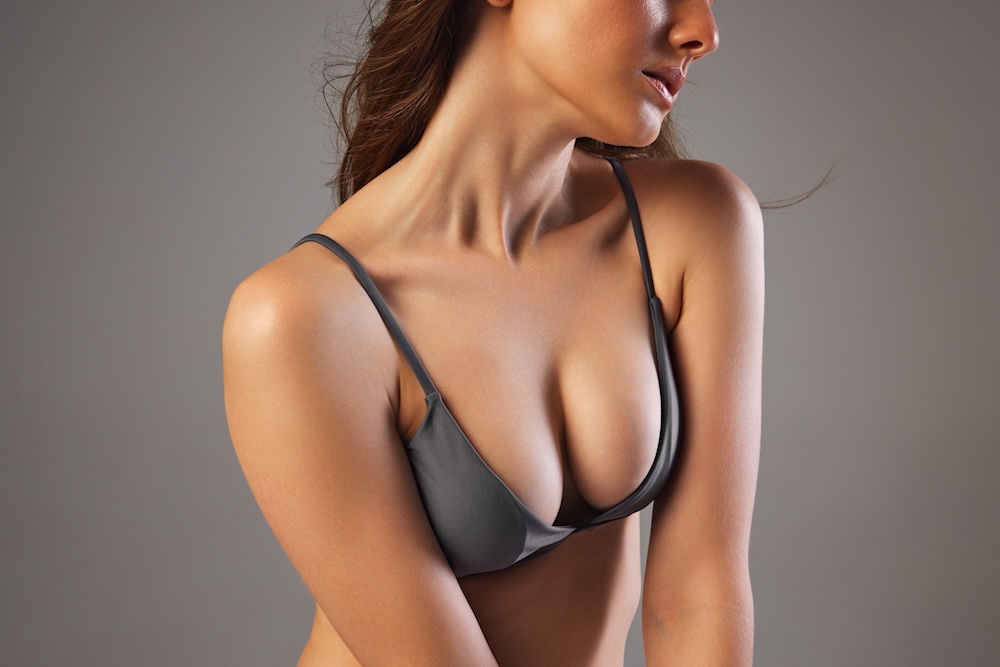
Silicone vs. Saline Breast Implants: Which Is Better for Natural Results?
With the ability to customize a patient’s breast contours according to their desires, breast augmentation can provide stunning outcomes that range from a modest enhancement to a more obvious transformation. In addition to improving one’s silhouette, cleavage, and fit in clothing, many women seek out breast augmentation to restore the youthful characteristics of their bust without sacrificing natural-looking results. For those hoping to preserve a natural aesthetic, the option of saline implants versus silicone implants during surgery often comes into question. While there is no universal answer regarding the most ideal type of breast implant for each person, board-certified Wichita plastic surgeon James Shaw, MD provides insight on how to choose the right implant type for patients seeking a more subtle, natural-looking enhancement.
Saline Implants Pros and Cons
Saline implants are filled with sterile saltwater. These implants are inserted into the body as an empty shell and filled once placed, allowing for a smaller incision and flexibility in adjusting the final volume during surgery.
Advantages
Saline implants can provide reassurance in the rare event of rupture. If the shell breaks, the saline is safely absorbed by the body and deflation is noticeable relatively quickly, making detection more straightforward than silicone options. This transparency also makes monitoring simpler, as changes are visible without imaging.
Saline implants have been available for decades and have an extensive safety record, approved for patients 18 and older.
Disadvantages
That said, saline implants tend to have limitations in their ability to provide natural aesthetics, particularly for patients with less existing breast tissue. Since the fill-material is a saline solution rather than gel, saline implants can be more prone to visible rippling or wrinkling — especially in the upper poles of the breasts or along the sides. This rippling can sometimes be felt or even seen through the skin in thinner patients or when the implant is placed above the muscle. For women who want a very soft, natural feel and have minimal existing breast tissue, saline implants may not deliver the subtle result they’re looking for.
Silicone Implants Pros and Cons
Silicone implants are pre-filled with a cohesive silicone gel that closely mimics the feel of natural breast tissue. They come in a variety of profiles, shapes, and textures, giving surgeons more tools to tailor the results to each patient’s unique anatomy.
Advantages
Silicone implants can feel incredibly natural. The cohesive gel moves somewhat similarly to natural breast tissue, and the overall texture tends to be softer and more pliable than saline. For patients with little natural tissue to camouflage an implant, silicone is often the more beneficial choice. Rippling is significantly less common, and the results (both look and touch) tend to satisfy patients who are prioritizing a natural outcome.
Silicone implants also come in a wider range of options, including highly cohesive “gummy bear” implants which maintain their shape even if the shell is compromised. This variety gives Dr. Shaw more flexibility in matching the implant to your specific goals and body type.
Disadvantages
Unlike saline fill-material, silicone implants produce a “silent rupture” in the rare event of a tear or break in the implant shell. Since the cohesive gel doesn’t migrate the way liquid would, a shell failure may not produce noticeable symptoms. For this reason, the FDA recommends that patients with silicone implants undergo periodic screenings to check implant integrity.
Silicone implants are pre-filled, so they typically require a slightly longer incision at the time of placement. Additionally, they’re approved for cosmetic augmentation in patients 22 and older, though they may be used at younger ages in reconstructive cases.
Which Implant is the Most Natural-Looking Option for Me?
There are many considerations when determining the most ideal breast implants to achieve your desired contours. While Dr. Shaw can recommend the best implant type for you after evaluating your anatomical needs in person, the decision is informed by several key factors:
- Existing breast tissue: Patients with more natural breast tissue have a greater level of coverage over their implants, which means the differences between saline and silicone become less visible. For these patients, either option may deliver beautiful, natural-looking results. For patients with very little natural tissue — particularly those who have a more petite body frame — silicone is typically recommended due to the reduced risk of visible rippling.
- Your body frame and natural proportions: Implant size, profile, and shape should all be chosen in relation to your chest width, height, and overall body frame. A skilled plastic surgeon like Dr. Shaw will take precise measurements and discuss how different dimensions interact with your anatomy. In addition to implant type, the size and profile of your implants also affect how natural your results appear after breast surgery.
- Your lifestyle and activity level: Women who are very active, particularly those who engage in high-impact activities or sports, may notice implant movement or rippling more than others. It’s important to discuss your fitness routine with Dr. Shaw so he can help guide you towards the best implant for your lifestyle.
- Your priorities: If a soft, natural feel is your top priority, silicone is often the go-to choice. If you prefer the peace of mind that comes with easy rupture detection, saline may be a more beneficial option for you. These factors will be discussed during your initial consultation.
- Implant placement: Whether Dr. Shaw recommends placing your implants above or below the pectoral (chest) muscles also plays a significant role in how natural the outcome looks and feels. Submuscular placement (under the muscle) often provides additional coverage and can make both saline and silicone look more natural, as there’s more natural tissue between the implant and skin.
Most importantly, entrusting a highly skilled and established plastic surgeon like Dr. Shaw who regularly performs breast augmentation is a critical part of the process. Dr. Shaw offers strong, evidence-based guidance to deliver the best results in patients who have similar anatomy to yours, making his recommendation particularly valuable.
As a board-certified plastic surgeon, Dr. James Shaw is well-versed in giving Wichita patients the information they need to make an educated decision on the best type of implant for their desired aesthetic. To learn more about your implant options, don’t hesitate to contact Shaw Plastic Surgery today to book a consultation.